Tap Rooms as Art Installations: Why Breweries Are Making Their Fill Stations Impossibly Beautiful
Walk into a well-designed brewery taproom these days and there's a decent chance you'll reach for your phone before you reach for your growler. That's not an accident.
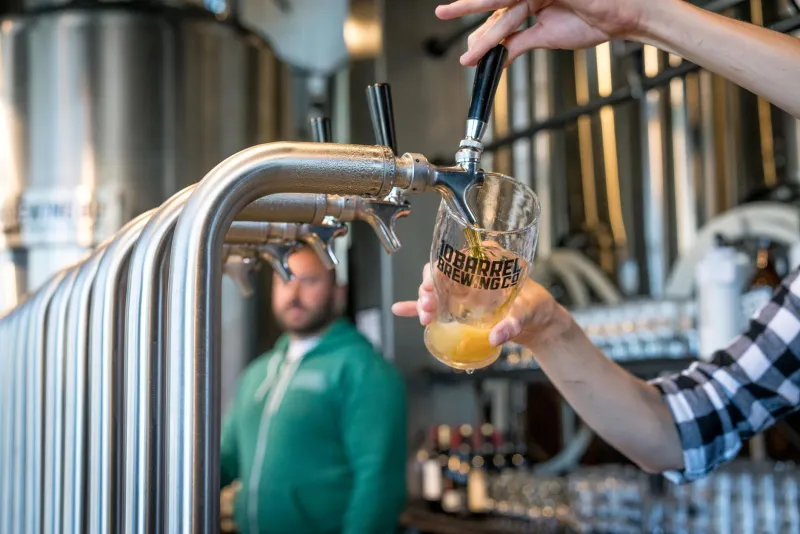
Across the country, craft brewers are rethinking what a fill station actually is — not just a counter with taps and a drip tray, but a visual centerpiece designed to stop people mid-step, pull out a camera, and post before they've taken a single sip. Call it the Growler Gallery Effect: the deliberate transformation of beer-filling infrastructure into something that looks genuinely worth sharing.
And it's working.
The Shelf Is the Stage
For a long time, the growler fill station was an afterthought. A row of taps, a chalkboard menu, maybe a stack of empties waiting to be rinsed. Functional. Forgettable. Not anymore.
Breweries like Dogfish Head in Milton, Delaware, and Allagash Brewing in Portland, Maine, have long understood that the physical space of a taproom communicates something beyond beer — it communicates identity. But the newer wave of brewery design is taking that logic further, applying it specifically to the fill station as a kind of brand altar.
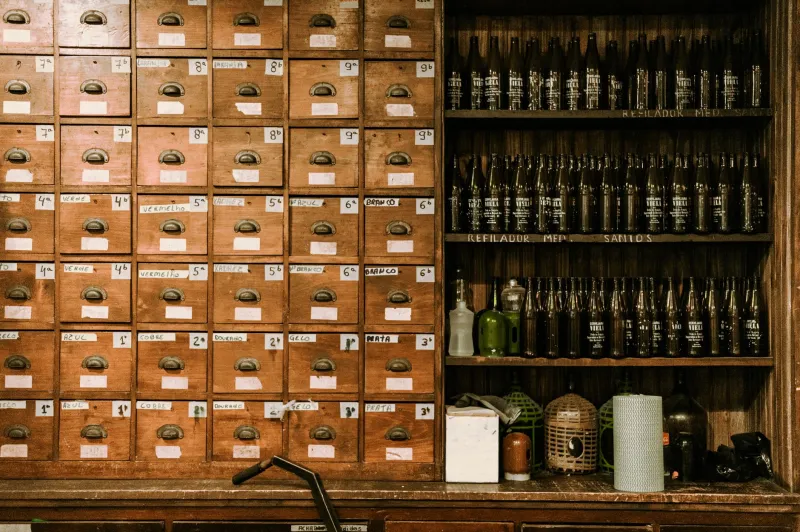
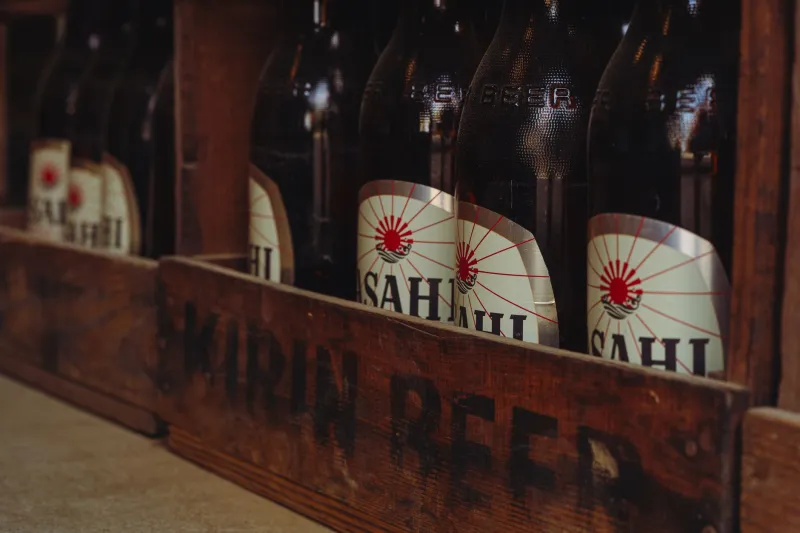
Think reclaimed wood shelving lined with backlit growlers in graduated sizes. Hand-lettered tap handles. Exposed copper piping that frames the bar like an industrial sculpture. Mosaic tile work that echoes the label art on the cans. These aren't accidental choices — they're calculated invitations to photograph the space and post it somewhere.
The psychology here is straightforward: people share what they find beautiful, and every share is a recommendation. In a market where craft beer drinkers are already predisposed to seek out local, independent, and authentic experiences, a visually compelling fill station becomes a kind of organic advertisement that no paid campaign can fully replicate.
Light, Texture, and the Perfect Pour Shot
Spend enough time scrolling through craft beer Instagram accounts — and there are thousands of them — and you start to notice patterns. The best-performing posts aren't just pictures of beer. They're pictures of where the beer came from. The tap handle, the bar surface, the growler sitting in a shaft of warm afternoon light.
Breweries that understand this are designing specifically for that shot.
Odell Brewing in Fort Collins, Colorado, renovated their taproom fill area a few years back with warm Edison bulb lighting positioned to cast a golden glow across the bar top — the kind of light that makes any growler look like it belongs in a magazine. Founders Brewing in Grand Rapids, Michigan, has leaned into their industrial heritage with exposed brick and steel that photographs with a gritty, authentic texture that resonates with the craft beer community's aesthetic values.
But it's not just the big regional names. Smaller neighborhood operations are getting in on it too. Taprooms in places like Asheville, North Carolina, and Denver, Colorado — cities that have become genuine pilgrimage destinations for craft beer travelers — are competing partly on vibe. The fill station isn't just where you pick up beer for the weekend. It's where you document that you were there.
The Growler as Prop, the Brewery as Set
Here's the thing that makes the Growler Gallery Effect particularly interesting: the growler itself becomes part of the composition. A beautifully designed vessel sitting at a thoughtfully designed fill station, in a well-lit taproom, is a coherent visual story. It says something about the brewery's values, its attention to detail, its relationship with its community.
Some breweries are leaning into this explicitly. Jester King Brewery outside Austin, Texas, has built an entire experience around its rustic Hill Country farmhouse aesthetic — the fill station, the barrels, the outdoor seating all feel continuous, like one extended visual environment. You don't just fill a growler at Jester King. You inhabit a place, and the photographs you take there carry that place back into the world with you.
Tree House Brewing in Charlton, Massachusetts — famous for lines that stretch into the parking lot on release days — has invested heavily in a taproom that feels less like a beer bar and more like a curated retail experience. Clean lines, considered materials, staff who clearly take pride in the space. The fill station at Tree House isn't glamorous in a maximalist way; it's glamorous in a precise way. The kind of precision that reads as quality in a photograph.
Does Pretty Actually Sell Beer?
Skeptics might reasonably ask whether any of this matters. Does a beautiful fill station actually move more growlers?
The short answer, based on what breweries report and what consumer behavior research consistently shows, is yes — but with nuance. Aesthetic appeal doesn't replace product quality. A stunning taproom pouring mediocre beer will generate buzz once and resentment after that. But for breweries that are already making excellent beer, the visual environment amplifies everything else.
Customers who feel good in a space linger longer, spend more, and return more often. They bring friends. They post photos that function as testimonials. They develop an emotional attachment to the brewery that goes beyond the liquid in the growler — they're attached to the experience of filling it there.
That's brand loyalty built into the architecture.
What This Means for the Community
For the broader craft beer community, the Growler Gallery Effect is a genuinely interesting development. On one hand, there's something a little uncomfortable about beer culture being shaped by Instagram logic — the risk that aesthetics start to drive decisions that should be driven by flavor, quality, and community values.
On the other hand, the best examples of this trend aren't cynical at all. They're breweries that clearly love their spaces and want visitors to love them too. They're investing in the physical experience of drinking local, making the act of filling a growler feel like it matters — because it does.
The growler has always been more than a container. It's a ritual, a commitment to the local, a way of carrying a piece of a brewery's identity home with you. When the place where you fill it is beautiful enough to photograph, that ritual gets a little more weight.
Fill up. Drink local. And yeah — go ahead and take the picture.