More Than a Vessel: The Surprisingly Lucrative Business Case Behind Every Growler on Your Shelf
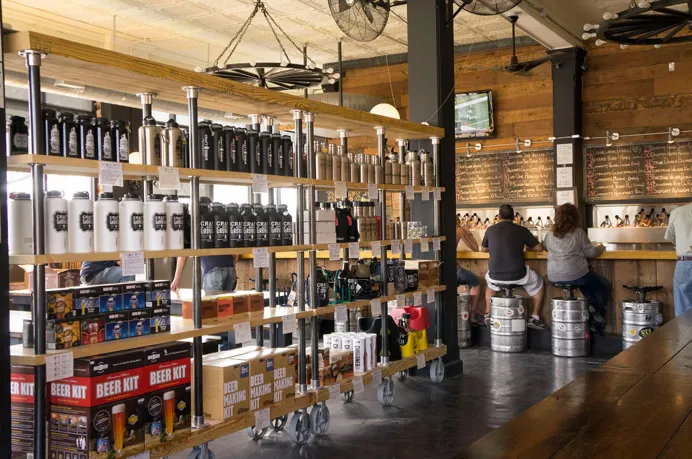
Photo: craft brewery growler collection taproom shelf branding, via dspncdn.com
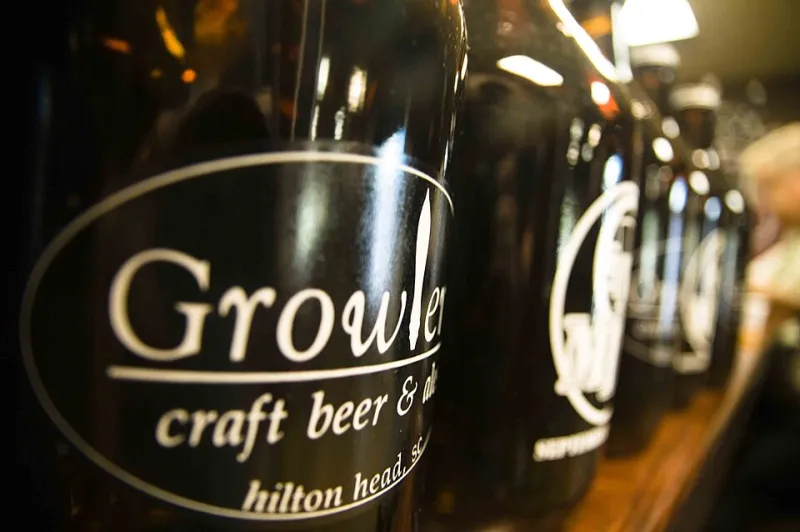
Walk into almost any craft brewery taproom in America and you'll spot them — rows of branded growlers lined up near the register like amber soldiers waiting for duty. Some are plain. Some are screen-printed with gorgeous label art. Some come with leather wraps, ceramic lids, or hand-stamped serial numbers that make them feel more like collectibles than containers. But here's the thing most beer drinkers never stop to think about: that growler might be the single highest-margin item your favorite brewery sells.
Not the pint you're nursing at the bar. Not the flight sampler. The jug.
The Math That Makes Brewery Owners Smile
Let's start with some honest numbers. A standard 64-ounce glass growler costs a brewery somewhere between $2.50 and $5.00 wholesale depending on volume, customization, and supplier. A basic screen-print logo adds another dollar or two. So the brewery's all-in cost on that vessel? Call it $4 to $7.
Now look at the price tag. Across the country, branded brewery growlers retail anywhere from $12 to $25 for the vessel alone — before a drop of beer goes in. That's a markup that would make a restaurant wine program blush.
"We sell our standard growler for $16 empty," says Marcus Briley, co-owner of Ironweed Brewing in Asheville, North Carolina. "Our cost on those is about $4.80 with the logo. I'm not going to pretend that's not a great margin. It funds a lot of other things."
And that's before the fill.
A 64-ounce fill of a mid-range craft beer typically runs $12 to $20 depending on the style and the market. The actual ingredient and production cost of that same pour — accounting for grain, hops, yeast, utilities, and labor — is usually somewhere between $1.50 and $3.50 per fill for an established brewery operating at reasonable efficiency. The margin on the beer itself is already strong. Pair it with a first-time growler purchase and you're looking at a single transaction that can net $25 to $40 in combined revenue with a blended margin that most retail businesses would find jaw-dropping.
The Deposit Game: Ingenious or Annoying?
One of the more interesting financial wrinkles in growler economics is the deposit system, which varies wildly from state to state and brewery to brewery. Some taprooms charge a flat $5 or $10 deposit on a growler that you get back when you return it. Others bake the cost of the vessel into the fill price and never ask for it back. A few have gone entirely deposit-free, betting on brand loyalty and repeat visits.
From a pure cash-flow standpoint, deposits are a quiet goldmine. Studies in the hospitality and retail industries consistently show that a significant percentage of deposit items — anywhere from 20 to 40 percent by some estimates — are never returned. That means breweries collect the deposit revenue and never have to refund it, while also avoiding the logistical headache of cleaning and reusing returned vessels.
"We ran a deposit system for three years and it was honestly more trouble than it was worth operationally," admits Carla Voss, taproom manager at Flatline Fermentations in Kansas City. "But the float on unreturned deposits? That was real money. We're talking thousands of dollars a year just sitting in our pocket because people lose growlers or forget to bring them back."
Some breweries have gotten creative about the return side of the equation, offering a small beer credit — a free pint, a dollar off a fill — when customers bring back any clean growler, branded or not. It drives foot traffic, builds goodwill, and keeps the sustainability narrative alive without dramatically cutting into margins.
Premium Tiers and the Collector Effect
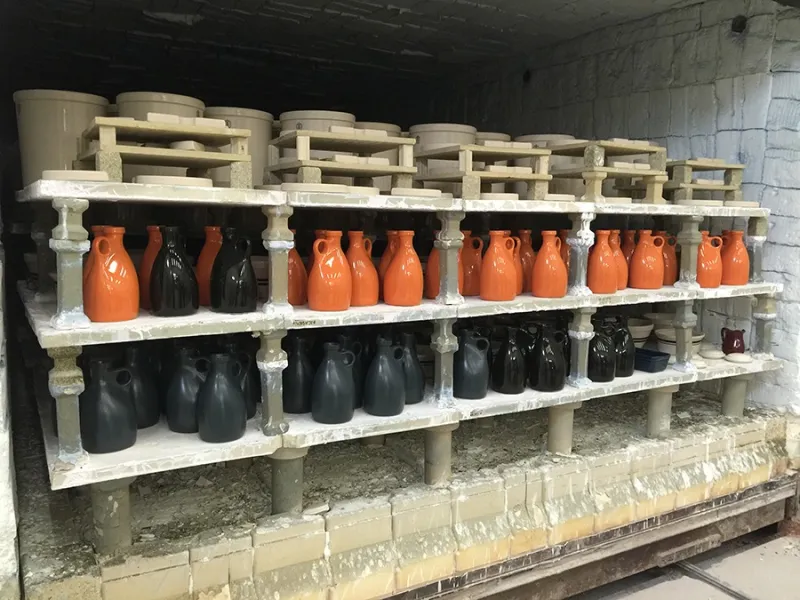
If the standard growler margin is good, the premium tier is where things get genuinely interesting. Over the past five years, a growing number of American craft breweries have launched elevated growler lines — think hand-thrown ceramic jugs, vacuum-insulated stainless vessels with custom etching, or limited-edition artist collaborations that turn a beer container into a display piece.
These premium growlers can retail anywhere from $45 to well over $100. The cost to produce them is higher, sure, but the margin often expands rather than shrinks because the perceived value of an artisan object is less price-sensitive than a commodity glass jug.
Sunrise Vessel Brewing in Portland, Oregon, launched a quarterly "Artisan Series" growler in 2022 — a hand-glazed ceramic 32-ounce jug made in collaboration with a local pottery studio. They retail for $85 each, limited to 50 per release.
"They sell out in hours," says co-founder Derek Tanaka. "People aren't buying them to fill with beer, necessarily. They're buying them because they're beautiful objects that happen to come from a brewery they love. We make more margin on one of those than we do on a full keg sale to a bar."
The merchandise tie-in angle is equally worth noting. Breweries that have successfully branded their growlers — through distinctive shapes, artist partnerships, or regional storytelling — report that those vessels function as walking billboards. Every time a customer pulls a branded growler out at a backyard cookout or a park picnic, it's an advertisement that cost the brewery nothing after the initial sale.
Where the Model Gets Complicated
It's not all foam and profit, of course. State regulations around growler fills are notoriously inconsistent, and some markets impose restrictions that limit who can fill what, how, and when. Certain states still prohibit filling a competitor's branded growler, which creates friction for customers who've accumulated a collection. Others require specific labeling on filled growlers that adds labor cost to every transaction.
There's also the freshness problem, which quietly undermines repeat business if a brewery doesn't manage it well. A customer who takes home a poorly filled growler, drinks flat or oxidized beer, and blames the brewery — rather than their own storage habits — is a customer who may not come back for another fill. The vessel is only as profitable as the experience it delivers.
And then there's the rise of crowlers — the 32-ounce canned-to-order format that some breweries have adopted as a growler alternative. Crowlers offer better shelf life and no deposit complexity, but they eliminate the reusable vessel revenue stream almost entirely. Breweries that have shifted heavily toward crowlers report missing the growler as a branding and margin tool, even as they appreciate the operational simplicity.
The Jug That Pays Its Own Way
What's clear from talking to brewery owners across the country is that the growler has evolved from a utilitarian beer transport solution into a genuine business asset — one that touches branding, merchandise, customer loyalty, and recurring revenue all at once.
The smartest operators are thinking about their growler program the way a restaurant thinks about its bar program: as a high-margin complement to the core product that also shapes how customers feel about the brand. A beautiful, well-made growler that delivers a great fill experience doesn't just generate a single transaction. It creates a ritual. And rituals, in the craft beer world, are what keep people coming back.
So next time you plunk down $18 for a fill at your local taproom, take a second to appreciate the economics in your hand. That glass jug is working harder for your brewery than almost anything else on the shelf.