Retired, Rare, and Ridiculously Expensive: Inside the Hunt for Discontinued Brewery Growlers
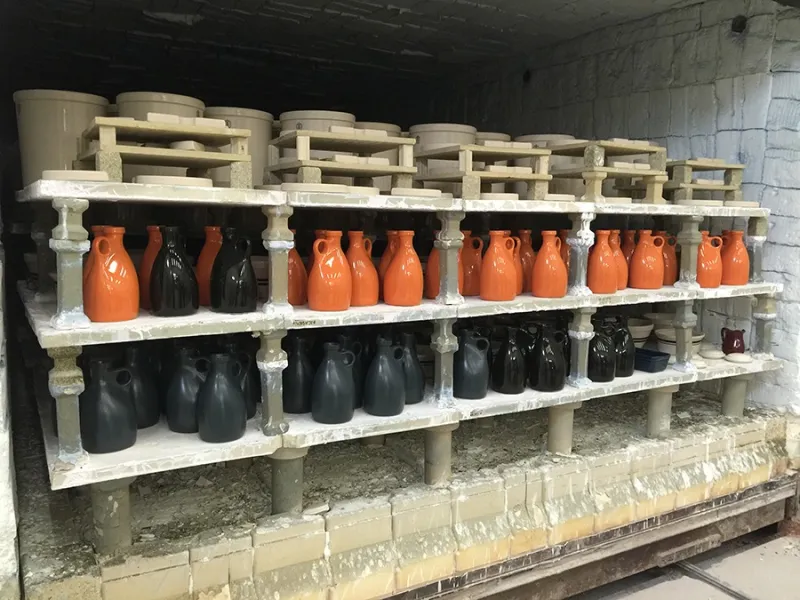
Photo: vintage ceramic beer growlers collection shelf brewery, via www.solidsmack.com
There's a particular kind of heartbreak that craft beer fans know well. You walk into your favorite taproom, reach for the shelf where that gorgeous ceramic growler used to sit — the one with the hand-painted hop motif and the wax-dipped stopper — and it's gone. Not sold out. Gone. Replaced by a generic 64-ounce jug with a screen-printed logo that looks like it came off an office supply catalog. You ask the bartender. They shrug. "We switched vendors last spring."
That's the moment you either move on or become a collector.
Why Breweries Kill Their Best Designs
It turns out the graveyard of discontinued growler designs is bigger than most people realize, and the reasons behind those quiet retirements are almost always boring — which somehow makes losing them feel worse.
Cost is the most common culprit. Hand-etched glass, custom ceramic molds, and artisan-finished vessels can run a brewery anywhere from $18 to $45 per unit at the production level. When a taproom is doing the math on merchandise margins, a $12 screen-printed jug starts looking a lot more attractive, especially if the limited-edition piece wasn't moving fast enough to justify the overhead.
Merger activity plays a role too. When a regional brewery gets acquired — or even just changes ownership internally — the new management often does a full audit of merchandise lines. Legacy designs that carry the old branding, a former head brewer's signature, or a logo that predates a rebrand get quietly discontinued. Sometimes the molds are destroyed. Sometimes they just end up in a dumpster behind the production facility.
Regulatory headaches are another factor. A handful of states have tightened rules around what can be printed or etched on refillable vessels, particularly around ABV labeling and health disclosures. Some breweries found it easier to scrap a design entirely rather than pay to re-engineer it for compliance.
The Vessels That Got Away
Ask any serious collector what they're hunting and you'll get a list that reads like a craft beer obituary column.
The hand-thrown stoneware growlers produced by a small Colorado brewery in the early 2010s — before they scaled up and switched to glass — regularly appear on eBay and Facebook Marketplace priced between $90 and $180, depending on condition and whether the wax seal is intact. The brewery made fewer than 400 of them over two seasons. Most were filled, used hard, and lost to attrition. Clean examples are genuinely rare.
Out of the Pacific Northwest, a now-defunct Seattle-area brewpub produced a series of hand-numbered, hand-illustrated 32-ounce growlers for three consecutive anniversary years before closing its doors in 2019. Those three vessels, particularly the Year Two design featuring a detailed illustration of the neighborhood where the taproom sat, have become something of a white whale for collectors in the region. One complete set of all three sold through a private Facebook group in 2023 for just over $400.
Down in the Southeast, a beloved Asheville brewery retired its signature cobalt blue ceramic jug when it moved to a larger facility in 2021. The design had been part of the brewery's identity for nearly a decade. Former regulars still post about it on Reddit threads dedicated to craft beer memorabilia. "It's not just a container," one commenter wrote. "That thing was on my kitchen counter through two apartments, a wedding, and a pandemic."
The Secondary Market Is Real (and Surprisingly Organized)
If you thought growler collecting was a fringe hobby practiced by a handful of obsessives, the secondary market will surprise you. Facebook groups dedicated to brewery merchandise trading have memberships in the thousands. Subreddits covering craft beer gear regularly feature "ISO" (in search of) posts for specific retired vessels. And eBay's category for beer growlers and steins has grown steadily over the past five years.
Pricing follows predictable patterns. Regional significance matters a lot — a discontinued growler from a legendary Portland brewery will command more than a similar piece from a less storied operation, even if the craftsmanship is identical. Limited production runs, numbered editions, and vessels tied to specific events (grand openings, collaboration releases, anniversary batches) all carry a premium. Condition is critical: chips, cracks, or missing hardware can cut value by half.
Some collectors focus exclusively on a single brewery's catalog, hunting every version of a label or design across years. Others go wide, building thematic collections around specific materials — ceramic only, or hand-etched glass, or vessels with wax-dipped closures. A few serious players have collections that fill entire rooms of their homes, each piece tagged with provenance notes and acquisition details.
What Breweries Are Starting to Understand
Here's the irony: the secondary market for discontinued growlers is essentially free advertising, and most breweries aren't leveraging it at all.
A handful of forward-thinking taprooms have started treating limited-edition vessel releases more like product drops — announcing them in advance, limiting quantities, numbering pieces, and creating certificates of authenticity. The approach borrows from sneaker culture and whiskey bottle collecting, and it works. Releases sell out faster, create social media buzz, and generate the kind of community attachment that no amount of Instagram advertising can replicate.
A few breweries have even gone back to retired designs for special anniversary rereleases, essentially turning nostalgia into a revenue event. Fans who missed the original run show up in force. People who owned the first version buy the reissue. It's a smart play.
But for every brewery doing this thoughtfully, there are dozens still treating their growlers as an afterthought — functional merchandise rather than cultural artifacts.
How to Start Hunting (Without Getting Burned)
If you're newly interested in tracking down discontinued vessels, a few practical notes before you start throwing money around.
Join the Facebook groups first and lurk before you buy. The community is generally knowledgeable and will help you spot overpriced listings or fakes (yes, fakes exist — mostly screen-printed knockoffs of popular ceramic designs). Learn what authentic pieces look like before committing to anything expensive.
Build relationships with taproom staff at breweries you love. Employees often know when a design is being retired before it becomes public, and some will hold pieces for regulars or tip them off to remaining stock. It's not a guarantee, but it costs nothing to be friendly.
Document your own collection carefully. Photographs, acquisition dates, any paperwork or tags that came with the piece — all of it adds to provenance and resale value down the road. The collector who can tell a complete story about where a vessel came from will always get a better price than the one selling a mystery jug with no context.
And if you're just starting out? Don't sleep on the growlers sitting in your local taproom right now. The one you think is just fine might be the one everyone's hunting for in ten years.