Ghosts in Glass: The Obsessive World of Vintage Brewery Growler Collecting
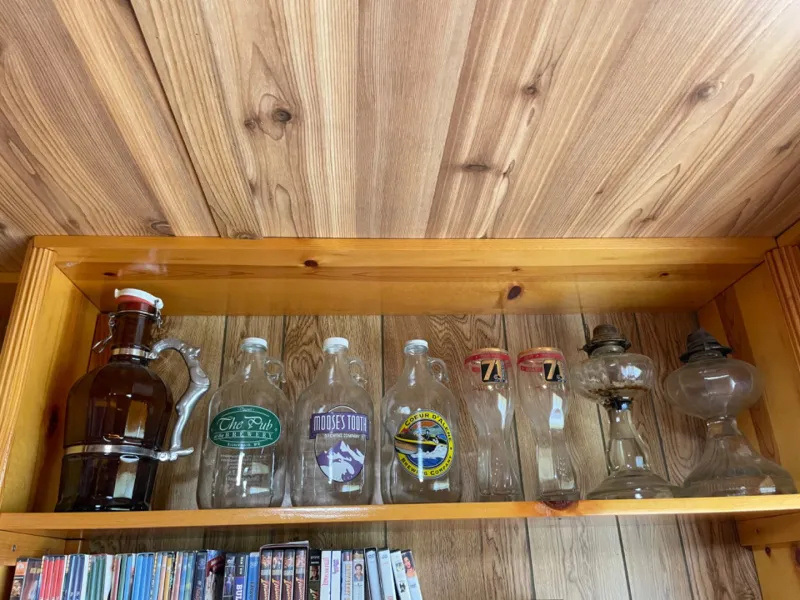
Photo: vintage brewery growler collection shelf display glass ceramic, via xpert.b-cdn.net
Tuck away enough shelf space in a craft beer lover's home and eventually you'll find something unexpected: a row of growlers that haven't held beer in years. Some are ceramic, some are screen-printed glass, a few are hand-stamped stoneware that looks like it crawled out of a 19th-century apothecary. None of them are going to the recycling bin anytime soon.
This is the quiet, slightly obsessive world of vintage growler collecting—and it's more organized than you'd think.
More Than a Container
Ask Marcus Delray, a Denver-based collector with over 80 retired growlers spanning nearly three decades of Colorado craft beer history, why he keeps them and he'll answer before you finish the question.
"They're time capsules," he says, gesturing toward a 64-ounce ceramic jug from a Boulder brewery that shuttered in 2009. "This thing held the last batch of their anniversary IPA before they closed. That beer doesn't exist anymore. The brewery doesn't exist anymore. But this does."
That sentiment—equal parts nostalgia and preservation instinct—drives a surprisingly active secondary market for retired brewery vessels. Facebook groups, eBay listings, and local swap meets regularly feature discontinued growlers from beloved regional spots, limited-edition anniversary releases, and collaboration designs that were only sold for a single weekend.
Prices vary wildly. A mass-produced glass growler from a mid-sized regional brewery might fetch five dollars at a garage sale. A hand-thrown ceramic piece from a now-legendary Colorado or Vermont craft pioneer? That could easily clear a hundred.
Why Breweries Stopped Making Them
Part of what fuels the collector market is scarcity—and scarcity often comes from a brewery decision that felt purely practical at the time.
Susan Hardt, who co-founded a taproom outside Asheville, North Carolina in 2014, remembers retiring her original growler design after just two years. "We switched from ceramic to glass because shipping costs were killing us," she explains. "We didn't think twice about it. Then people started asking if we had any of the old ones left. We didn't. We'd given most of them away as staff gifts."
That kind of casual discontinuation is common across the industry. Breweries pivot on packaging for logistical reasons—cost, weight, changing fill regulations, rebranding—without fully anticipating that the old version will become the thing customers remember most fondly. The original design becomes the artifact.
Some breweries have started paying closer attention. A handful of craft operations now deliberately limit runs of specialty growlers, treating them less like functional vessels and more like merch drops. Think numbered editions, artist collaborations, seasonal artwork tied to specific beer releases. The goal isn't just to sell a container—it's to create something worth holding onto.
The Storytelling Container
What separates a collectible growler from a forgettable one usually comes down to specificity. Generic screen-printing with a logo and a website? Forgettable. A hand-illustrated design tied to a single batch, a local landmark, or a piece of brewery lore? That's the one people keep.
Take the case of a small Wisconsin farmhouse brewery that released a stoneware growler to celebrate its fifth anniversary, featuring an illustration of the actual barn where the founders first brewed. The run was 200 units. Within three months, the design had sold out and a secondary market had emerged. Today, those jugs trade between $60 and $90 among collectors who may have never even visited the brewery.
"The story is baked into the object," says Jamie Kessler, who runs a modest online resale shop focused exclusively on craft beer memorabilia out of Portland, Oregon. "When you hold that growler, you're holding the farm, the founders, the first five years. That's not nothing."
Kessler estimates that about 30 percent of her inventory is growlers and growler-adjacent vessels—swing-top bottles, ceramic flagons, limited-run stainless pieces. The demand, she says, has grown steadily since around 2018.
What Makes a Growler a Relic
Not every retired vessel earns collector status. Through conversations with a dozen collectors and resellers, a few consistent factors emerged:
Brewery legacy matters. Vessels from breweries that have since closed—especially ones that were beloved in their communities—command the highest emotional and monetary value. There's a grief element to it. Owning the growler is a way of keeping the brewery alive.
Limited production drives demand. Anniversary editions, collaboration releases, and taproom-exclusive designs that were never widely distributed tend to surface in collector circles years later. The rarer the original run, the more the piece is worth.
Material and craft count. Ceramic and stoneware consistently outperform plain glass in collector appeal. Hand-thrown pieces, custom glazes, and artisan collaborations signal that the brewery treated the vessel as more than a fill container.
Local iconography resonates. Designs rooted in a specific place—a neighborhood, a mountain range, a city skyline—tend to carry stronger emotional weight than generic imagery. They're souvenirs in the truest sense.
Filling the Gap They Leave Behind
For collectors like Marcus Delray, the growler isn't a replacement for the beer. It's a record of it. "I've had beers I loved that I'll never taste again because the brewery closed or the recipe changed," he says. "At least with the growler, I can look at it and remember exactly what it tasted like. That sounds weird but it's true."
It doesn't sound weird at all, actually. Craft beer has always been about place and moment—the specific taproom, the specific batch, the specific Saturday afternoon when everything clicked. A retired growler holds all of that. It's just doing it without the beer.
And honestly? That might be the most craft beer thing of all.