Filling the Gap: How the Humble Growler Quietly Revolutionized Small Brewery Economics
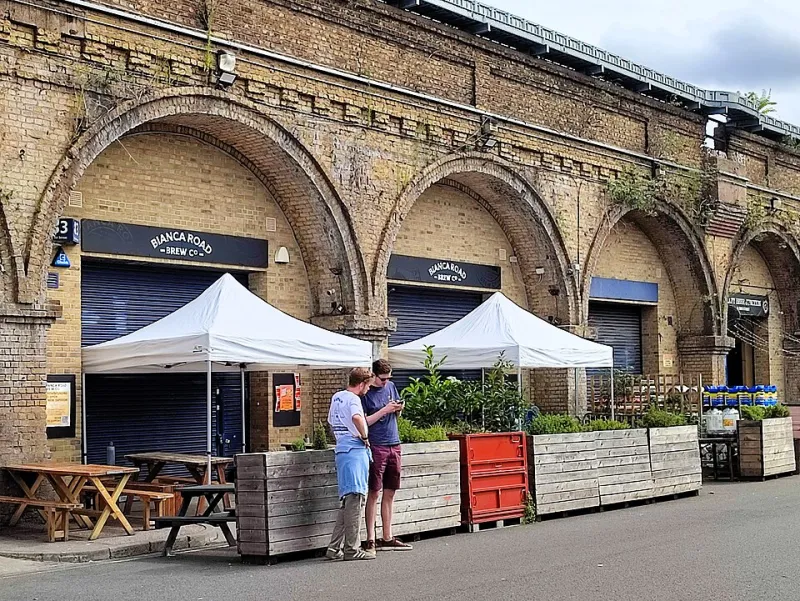
Photo: Ewan Munro, CC BY-SA 4.0, via Wikimedia Commons
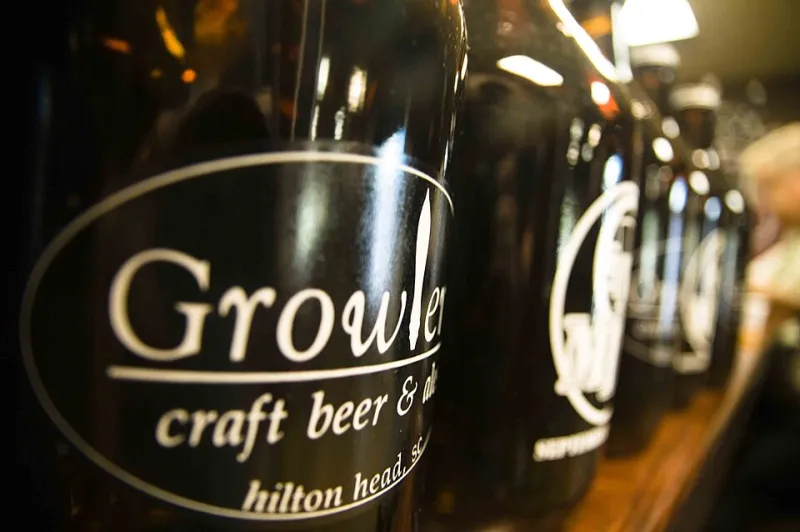
Walk into almost any small-town taproom in America and you'll spot them lined up near the register — growlers in varying shapes, sizes, and states of wear. Some are stamped with the brewery's logo, others are plain glass juggers that regulars have been refilling for years. To the casual visitor, they're just containers. To the brewer behind the bar, they represent something far more significant: a revenue stream that, for many small operations, makes the difference between staying open and shutting off the lights.
The economics of running a small brewery are punishing. Raw ingredients, equipment maintenance, licensing fees, labor — the costs stack up fast before a single pint ever gets poured. Distribution deals with regional middlemen can eat 30 to 40 percent of revenue right off the top. So when brewers started leaning into growler fills as a core part of their business model, it wasn't just a trend. It was, for many of them, a survival strategy.
Cutting Out the Middleman, One Fill at a Time
The math on a growler fill versus a distributed six-pack is pretty stark once you lay it out. When a brewery sells through a distributor, they're typically getting somewhere between 50 and 65 cents on every retail dollar after the distributor and retailer take their cuts. Sell that same beer directly from the taproom in a growler, and suddenly the brewery is keeping the full margin — sometimes two to three times what they'd net through traditional channels.
"We ran the numbers about two years in," says Marcus Tillman, co-founder of Ridgeline Brewing in Asheville, North Carolina. "Growler fills were accounting for maybe 18 percent of our total volume but closer to 30 percent of our actual take-home revenue. That gap told us everything we needed to know about where to focus our energy."
Tillman isn't alone in that realization. Across the country, small breweries have quietly restructured their operations around the taproom-first, growler-friendly model — not because it's romantic or on-brand (though it is both), but because it pencils out in a way that distribution simply doesn't for operations under a certain scale.
The Loyalty Loop Nobody Talks About
Beyond the per-unit math, there's a behavioral economics angle to the growler model that doesn't get nearly enough attention. When a customer walks out of your taproom with a filled growler, they're not just buying beer. They're making a commitment to come back.
Empty growlers create return visits. Return visits create regulars. Regulars become the kind of word-of-mouth engine that no ad budget can replicate.
"I call it the loyalty loop," says Priya Okonkwo, who runs Saltmarsh Brewing out of Savannah, Georgia. "Someone takes home a 64-ounce fill on a Friday, finishes it over the weekend, and now they've got this empty jug sitting on their counter reminding them to come back. We've had customers tell us they feel almost guilty leaving it there. That's free marketing."
Okonkwo estimates that roughly 60 percent of her growler customers visit at least twice a month, compared to about 25 percent of customers who only purchase pints on-premise. The container itself functions as a kind of recurring subscription — low-tech, no app required.
Small Scale, Real Margins
For nano-breweries — operations producing under 500 barrels a year — the growler model isn't just advantageous, it's often essential. Distribution infrastructure is expensive to access and slow to build. A five-barrel brewhouse in a mid-sized city simply doesn't have the volume to make regional distribution worthwhile, and national retail is a pipe dream.
But a taproom with a steady growler program? That's a business.
"We never even tried to get into distribution," admits Kevin Schraft, who operates Copperfield Ales out of a converted warehouse in Kalamazoo, Michigan. "Our whole model from day one was: brew interesting beer, fill growlers, build community. We're four years in, we've got three employees including me, and we're profitable. I genuinely don't think that's possible if we'd tried to go the distributor route at our size."
Schraft's margins on growler fills run about 65 percent after ingredient and labor costs — significantly higher than what he'd net selling kegs to local bars, where he'd also be competing against every other regional craft brand on the tap list.
The Freshness Factor as a Sales Argument
There's a quality argument embedded in the growler model that also works in small breweries' favor from a marketing standpoint. Beer sold directly from the taproom and consumed within a day or two is, almost by definition, fresher than anything sitting in a distribution warehouse or on a store shelf. Small breweries have learned to lean into this — and customers have responded.
"We started putting fill dates on every growler and making a big deal about how our IPAs are literally hours old when you take one home," says Tillman. "People genuinely care about that. It became a differentiator against the bigger regional brands we were competing with."
Freshness is one area where a small taproom-based brewery can legitimately out-compete a craft giant with national distribution. A 64-ounce growler of a hazy IPA filled that afternoon is a fundamentally different product than a six-pack that shipped from a facility three states away three weeks ago — and brewers who communicate that effectively have found it resonates with customers who've started paying attention to those details.
Not Without Its Complications
The growler model isn't a perfect solution, and brewers are quick to acknowledge that. State laws governing growler fills vary wildly — some states restrict fill sizes, others limit which beer styles can be sold in growlers, and a handful still have regulations that make the whole thing more complicated than it should be. (We've covered the state-by-state legal landscape in depth before, and it remains one of the more frustrating patchwork realities of craft beer in America.)
There's also the operational reality of managing a taproom alongside actual brewing. It's labor-intensive, it requires a different skill set than pure production brewing, and the customer-facing side of the business can be exhausting for brewers who got into this because they love fermentation, not retail.
"Some weeks I feel more like a bartender than a brewer," admits Okonkwo. "That's a real tradeoff. But then I look at the revenue and I remember why we built it this way."
The Bigger Picture
Zoom out and the growler's economic impact on the American craft beer landscape becomes genuinely significant. The direct-to-consumer taproom model — with growler fills at its center — has allowed hundreds of small breweries to reach profitability without ever touching the traditional three-tier distribution system. That's kept money local, kept beer fresher, and kept community breweries alive in cities and towns that might otherwise have lost them to the economics of scale.
The growler didn't just change how beer gets transported home. For a whole generation of small brewers, it changed what it meant to run a sustainable brewing business at all. That's a pretty heavy lift for a glass jug.
Next time you hand yours across the bar for a fill, maybe pour a little out for the economics that made that moment possible.