Glass Half Empty: The Growing Problem of Abandoned Growlers and the Breweries Cleaning Up the Mess
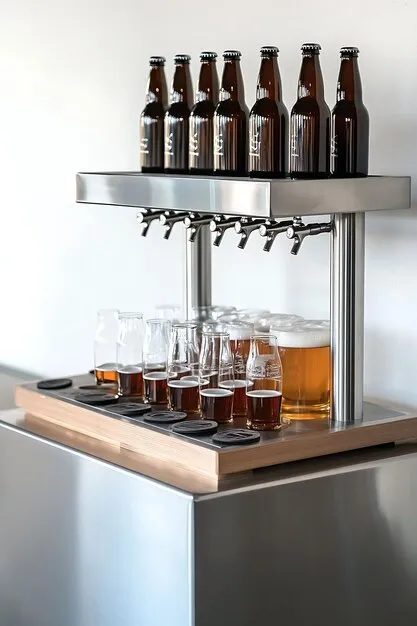
Photo: craft brewery growler bottles collection taproom sustainability, via img.freepik.com
Somewhere in the back of your closet, there's probably a growler you forgot about. Maybe it's a 64-ounce ceramic beauty from a brewery you visited on a road trip three summers ago. Maybe it's a plain brown glass jug from your local taproom that's been sitting next to the camping gear since the pandemic. You meant to bring it back. Life happened.
Multiply that by a few million craft beer fans across the country, and you start to understand why so many breweries are quietly drowning in glass.
The Pile Nobody Talks About
For all the romance around growler culture — the fills, the sharing, the road trips — there's a less photogenic side to the story. Breweries accumulate returned, abandoned, and unclaimed growlers at a rate that surprises even the most seasoned taproom operators.
"We had a literal corner of the storage room that we just called 'the graveyard,'" says Marcus Tillman, co-owner of Ridgeline Fermentation Works in Asheville, North Carolina. "Growlers from other breweries, cracked ones, ones people dropped off that we couldn't even sanitize properly. It became this weird logistical headache nobody warned us about when we opened."
The issue compounds quickly. A standard glass growler weighs around a pound and a half empty. When you're talking about dozens — or in some cases, hundreds — of unclaimed vessels, storage becomes a real operational burden. And disposal isn't exactly simple either. Glass recycling infrastructure in the US is notoriously inconsistent, with many municipal programs refusing to accept growler-sized containers or requiring specific sorting that most small operations can't accommodate.
The Deposit Debate
The most obvious fix, at least on paper, is the deposit system — charge customers a few bucks upfront for the vessel, and give it back when they return it. It's worked for decades with soda bottles in states like Michigan, where a 10-cent deposit drives return rates above 90 percent. So why hasn't it caught on more broadly in the craft beer world?
The short answer: it's complicated.
"We tried a two-dollar deposit and honestly, most people just paid it and didn't think twice," admits Carla Reyes, taproom manager at Sunken Anchor Brewing in San Diego. "The deposit wasn't high enough to change behavior, but raising it felt like we were penalizing our regulars. There's no perfect number."
Other breweries have gone higher — some charging five or even ten dollars on specialty vessels — with better results. But the logistics of tracking returns, issuing refunds, and managing a rotating inventory of vessels in various states of cleanliness and damage can eat into staff time faster than anyone anticipates. For a small operation already stretched thin, that overhead matters.
There's also the cross-brewery problem. Craft beer fans don't limit themselves to one taproom, which means growlers from Brewery A regularly end up being returned to Brewery B. Some shops accept them anyway out of goodwill. Others don't. The result is a fragmented, informal system that nobody designed and nobody fully controls.
Tech to the Rescue (Sort Of)
A handful of forward-thinking breweries have started experimenting with technology to bring some order to the chaos. QR codes and RFID tags embedded in growler lids or etched into the glass itself allow staff to scan vessels and log their history — when they were filled, where they came from, how many times they've been used.
Bend, Oregon-based Cascade Vessel Co., which supplies custom growlers to regional breweries, has been piloting a tracking system for the past two years. "The data we're getting is genuinely useful," says founder Derek Huang. "You can see which vessel types get returned most often, which ones disappear after one fill, and whether your deposit amount is actually moving the needle. It takes the guesswork out."
The catch, as with most tech solutions, is cost and adoption. Small breweries operating on thin margins can't always justify the upfront investment in tagged inventory or compatible scanning systems. And if only a handful of shops in a given city are participating, the network effect that makes these programs powerful simply doesn't materialize.
Creative Solutions Worth Stealing
Not every answer involves an app or a deposit line item. Some of the most effective growler return programs in the country are refreshingly low-tech.
At Fernwood Taproom in Portland, Maine, customers who return any clean, undamaged growler — regardless of brand — get a dollar off their next fill. The program costs the brewery relatively little, generates genuine goodwill, and has noticeably reduced the accumulation of unclaimed glass in their back room. "We started calling it 'growler amnesty,'" says owner Beth Calloway. "People love the idea that they can finally bring back that old bottle without any awkward conversation about where it came from."
Other breweries have partnered with local restaurants and bottle shops to create informal drop-off networks, essentially turning third-party locations into return hubs. A few craft beer bars in Chicago have started displaying bins near the door specifically for growler returns, coordinating weekly pickups with partner breweries. It's not elegant, but it works.
Some taprooms have leaned into the community angle entirely, hosting quarterly "Growler Swap" events where customers can trade in old vessels for store credit, with unclaimed glass going to local artists and craft makers who use it for everything from terrariums to candle holders. Waste reduction through creativity — it fits the DIY spirit of craft beer culture pretty naturally.
The Bigger Picture
Beyond the operational headaches, there's a real environmental argument for getting this right. Glass production is energy-intensive, and single-use or rarely-reused growlers carry a carbon footprint that undercuts the local, sustainable image many craft breweries work hard to project.
"We talk a lot about sourcing local hops and grain, about reducing water waste in the brewing process," says sustainability consultant Nina Okafor, who works with several craft beverage companies in the Pacific Northwest. "But the vessel side of the equation gets overlooked. A growler that gets filled twenty times is a great product. One that gets filled twice and sits in a landfill is just a glass bottle with a fancy logo."
The math on reuse is compelling. Studies on reusable beverage containers consistently show that the environmental break-even point — where a reusable vessel outperforms its disposable counterpart — is typically reached within three to five uses. Most growlers are built to last decades. The problem isn't the product. It's the behavior.
What It's Going to Take
No single brewery is going to solve this alone. The most promising path forward probably involves some combination of better deposit incentives, regional return networks, and a cultural shift toward treating growlers less like souvenirs and more like the functional, reusable tools they were always meant to be.
That last part might be the hardest. Growler culture has always had a collector's edge to it — the branded glass, the limited-edition designs, the taproom-exclusive fills. That's part of what makes it fun. But it also means people hold onto vessels for sentimental reasons long past the point of practical use.
Maybe the answer is both. Keep the culture, fix the system. Collect the ones worth keeping. Return the rest.
Your local brewery's back room will thank you.